Real Estate
Karen Zaccor wins North Side District 4a Chicago School Board race
By David Gonzalez
Advertisement · Why this ad?
Maya Johnson is an accomplished journalist with over 15 years of experience in local news. She holds a Master's degree in Journalism from Northwestern University and previously served as the Editor-in-Chief at the Chicago Tribune. Maya is known for her leadership in cultivating impactful community journalism.
More from Maya →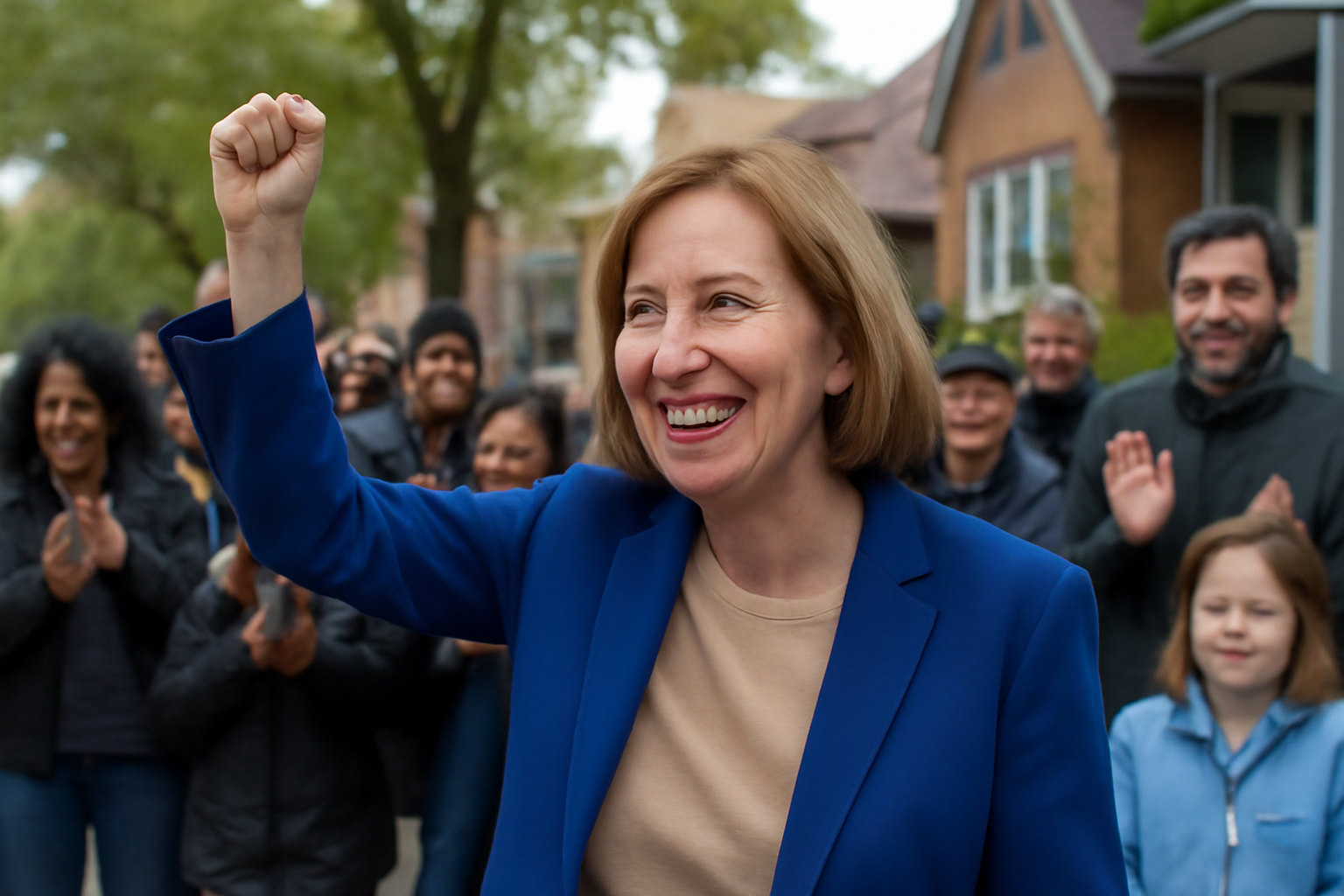
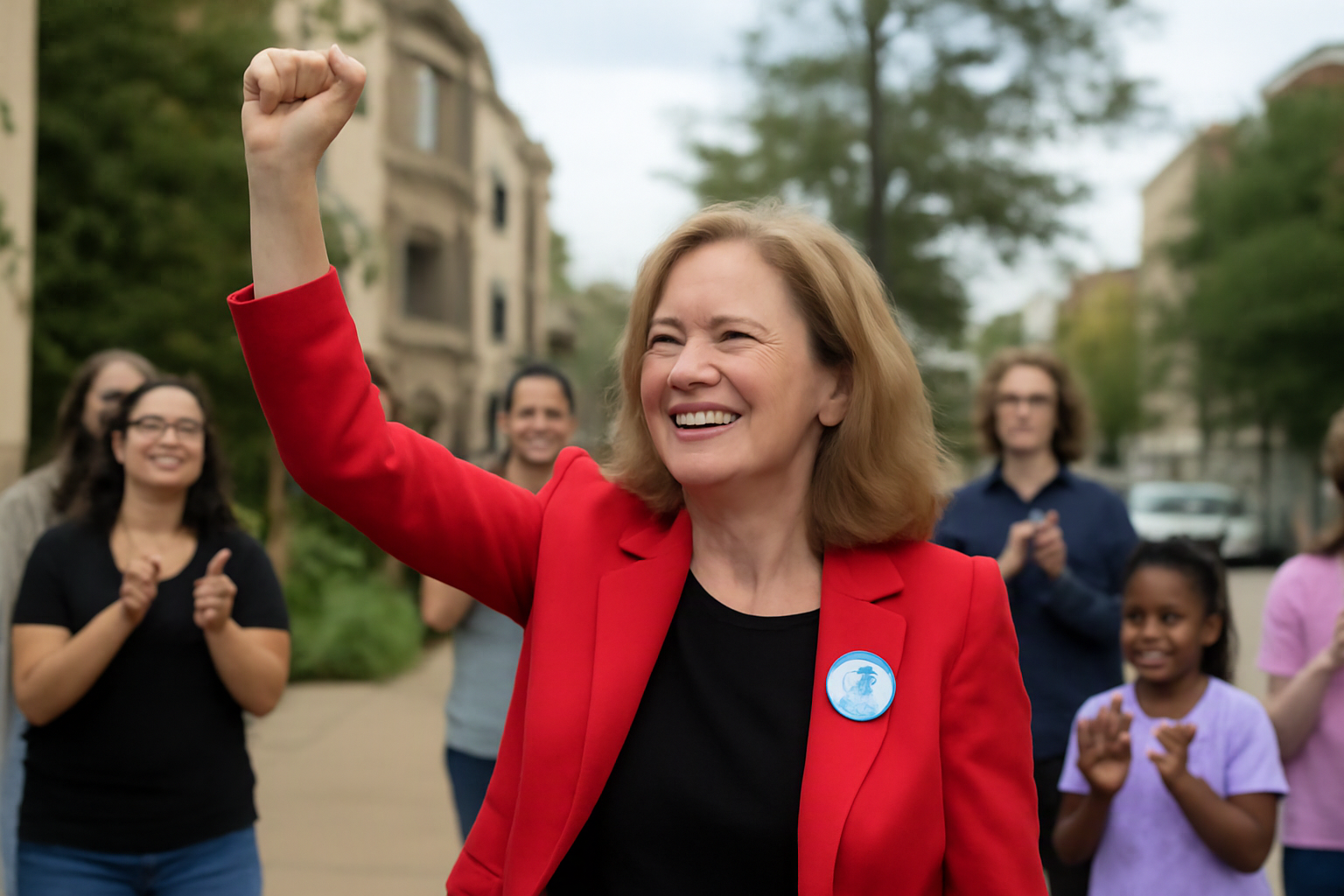
On a crisp spring morning in Mount Greenwood, Therese Boyle, a familiar face in the community and a retired psychologist for Chicago Public Schools, greeted her supporters with a warm smile. As the sun rose, she celebrated a decisive victory in the Chicago School Board race for District 9b, where she garnered an impressive 72% of the vote against her challenger, Katherine Dunneback. The election results, confirmed by the Associated Press, were a testament to her deep-rooted connections and commitment to the education of local children.
Therese Boyle's re-election marks a significant moment for the Far Southwest Side of Chicago, encompassing neighborhoods like Roseland, West Pullman, Morgan Park, Beverly, Mount Greenwood, and Washington Heights. Boyle, who has dedicated 35 years to the school district, faced off against Dunneback, a former CPS parent and speech-language pathologist who currently serves as an adjunct clinical professor at Saint Xavier University. The election showcased a stark contrast in educational philosophies, with Boyle backed by groups advocating for school choice, while Dunneback received support from the powerful Chicago Teachers Union.
Despite the competitive nature of the race, Boyle's strong community ties played a pivotal role in her victory. "The people who talked to the voters were my friends and family and neighbors and fellow colleagues,” Boyle remarked, highlighting the grassroots effort that propelled her campaign. The support from the Service Employees International Union (SEIU), which has increasingly distanced itself from the teachers union, also proved instrumental, as their members helped mobilize voters through door-to-door outreach.
The implications of Boyle's victory extend beyond mere numbers; they resonate deeply within the community. District 9b is home to 46 public schools, primarily neighborhood institutions, and the challenges of enrollment and resource allocation are pressing. According to data from Chalkbeat, only 13% of CPS students opt for their zoned public high schools, while nearly 57% choose their local elementary schools. This discrepancy raises questions about the quality of education and the factors influencing these decisions.
Boyle's vision for the district includes a commitment to ensuring that funds are allocated wisely, a sentiment echoed by many residents. On the other hand, Dunneback's focus on addressing issues like overcrowding and school closures reflects a community grappling with the realities of limited resources and the need for equitable educational opportunities. Both candidates, despite their differences, share a common goal: to prioritize the welfare of children in Chicago's public schools.
Interestingly, Boyle and Dunneback found common ground on several key issues, particularly regarding the academic environment. Both candidates expressed the need for strict limits on the use of artificial intelligence and electronic devices in classrooms, recognizing the importance of maintaining a focused and engaged learning atmosphere. However, their approaches diverged significantly when it came to charter schools and the future of neighborhood schools.
Boyle advocates for charter schools and supports school consolidation when it is equitable and cost-effective. In contrast, Dunneback opposes charter schools, favoring a CPS and Chicago Teachers Union program that aims to transform neighborhood schools into community hubs. This divergence reflects broader debates within the educational landscape about the best paths forward for public education.
A crucial aspect of the campaign was the candidates' stances on funding. Both Boyle and Dunneback agreed on the importance of not raising property taxes to the maximum allowable limits to finance schools. However, their perspectives on fiscal responsibility varied significantly. Boyle criticized CPS for not spending its resources wisely, while Dunneback emphasized the need for collaboration with other elected officials to explore alternative funding sources.
The financial implications of education policies are profound, impacting not just students but entire families. Parents and community members are increasingly concerned about how funds are allocated and whether schools are equipped to provide quality education. The election results indicate a desire for change, with Boyle's approach resonating with voters seeking accountability and effective management of educational resources.
As Boyle prepares to continue her tenure on the Chicago School Board, the future of District 9b hangs in a delicate balance. The community's needs are diverse, and addressing issues such as school overcrowding, resource allocation, and academic performance will require collaboration and innovative solutions. Boyle's experience and community ties may serve her well as she navigates these challenges.
In her victory speech, Boyle emphasized her commitment to listening to constituents and working collaboratively to ensure that every child receives a quality education. As she steps into her renewed role, the community is hopeful that her leadership will foster an environment where families feel supported and children can thrive.
Meanwhile, Dunneback's concession statement underscored a shared commitment to the future of Chicago's public schools. "Regardless of our differences, I’d like to think we agree on one thing: that there is nothing more important to the future of our district — and our city — than how we care for the children in Chicago’s public schools,” she stated, reinforcing the notion that the well-being of students transcends political divides.
For parents and community members eager to engage with the school system, several resources are available. The Chicago Public Schools website offers insights into school performance, enrollment options, and community programs. Additionally, organizations such as the Service Employees International Union and local parent advocacy groups provide platforms for voices to be heard and issues to be addressed.
As Boyle embarks on her next term, it will be crucial for her to maintain open lines of communication with parents and educators. Community forums and workshops can serve as valuable opportunities for dialogue and collaboration, ensuring that the voices of those most affected by educational policies are included in decision-making processes.
The journey ahead is not without its challenges, but the commitment to fostering a strong educational environment remains steadfast. With a focus on community engagement and thoughtful policy implementation, District 9b has the potential to become a model for other districts facing similar hurdles.
In conclusion, Therese Boyle's re-election is more than just a political victory; it is a reaffirmation of the community's desire for dedicated leadership that prioritizes the education and well-being of its children. As the district looks to the future, the hope is that the collaborative spirit fostered during the campaign will continue to thrive, paving the way for a brighter tomorrow for all students in Chicago.
By David Gonzalez

By James Holloway
By Nick Martinez

By Lisa Nguyen