Technology
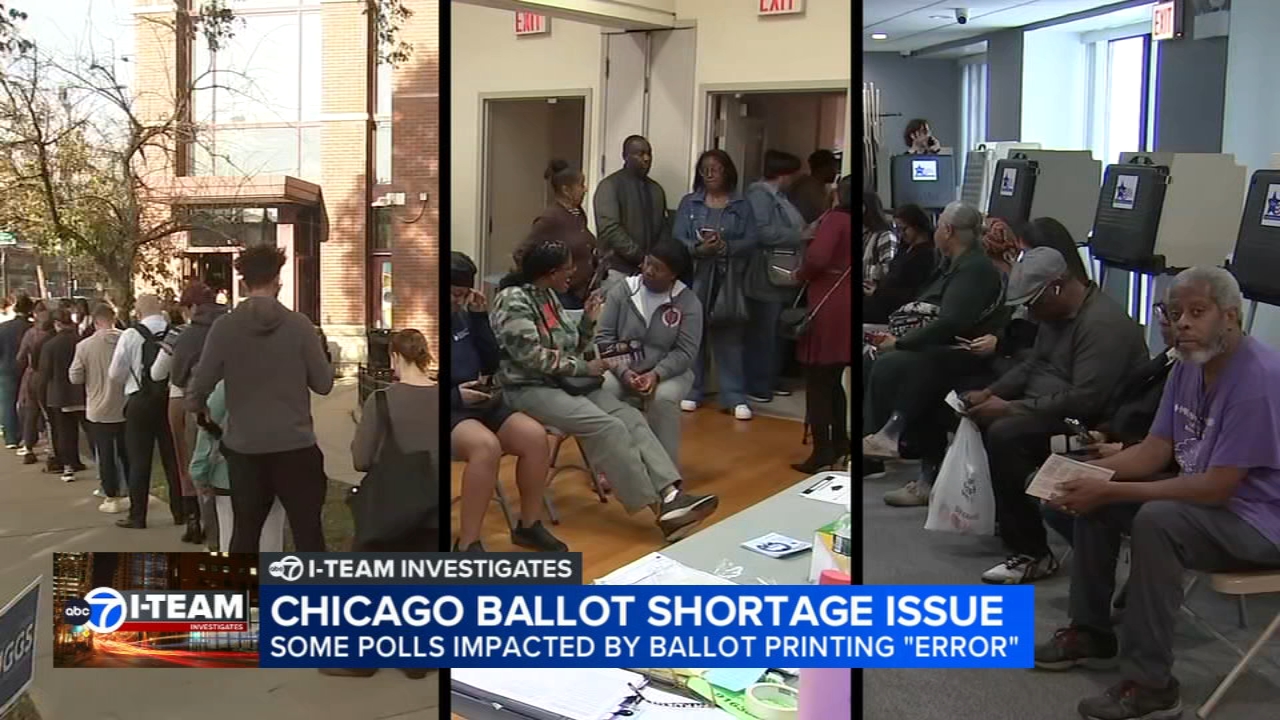
Computer 'error' led to ballot shortages at some Chicago polling locations on Election Day
By Mark Thompson
Advertisement · Why this ad?
Maya Johnson is an accomplished journalist with over 15 years of experience in local news. She holds a Master's degree in Journalism from Northwestern University and previously served as the Editor-in-Chief at the Chicago Tribune. Maya is known for her leadership in cultivating impactful community journalism.
More from Maya →
As she strolled through the brightly lit aisles of her local grocery store in Chicago, Maria Gonzalez felt a nagging sense of unease. The familiar hum of the refrigerators and the gentle chatter of other shoppers faded into the background as she caught sight of the new digital price tags adorning the shelves. What once felt like a simple shopping trip now seemed laden with the weight of technology and data privacy concerns. Maria, like many consumers, began to wonder: are these price tags merely a convenience, or are they a gateway to something more intrusive?
Recent advancements in retail technology have ushered in a new era of grocery shopping, where digital price tags are becoming increasingly common. These electronic displays allow stores to change prices in real-time, ostensibly to reflect demand, manage inventory, and even promote special offers. However, this technological shift has sparked fears of surveillance pricing, a term that describes the practice of adjusting prices based on individual consumer data.
In Chicago, many grocery chains have adopted this technology, raising eyebrows among privacy advocates and consumers alike. The concern is that these digital price tags could potentially track shoppers' buying habits and personal preferences, leading to a pricing model that varies significantly from one customer to another. As Maria pondered her grocery list, she couldn't shake the feeling that her shopping choices were being monitored and monetized.
Experts warn that this trend could create a two-tiered system where savvy shoppers who are aware of the pricing algorithms might benefit, while others could end up paying more, often without realizing it. According to a report from the Federal Trade Commission, such practices could undermine the trust between consumers and retailers, leading to a more fragmented shopping experience.
For many in the community, this shift is more than just an inconvenience; it touches on broader issues of equity and fairness. Local business owners, like Tom Nguyen, who runs a small grocery store in the heart of Chicago's Pilsen neighborhood, expressed concern about how these practices might affect their businesses. “If big chains start using algorithms to charge different prices, it might make it harder for small stores like mine to compete,” he said. “We rely on our loyal customers, and if they feel like they’re being taken advantage of, they might shop elsewhere.”
The introduction of digital price tags has elicited mixed reactions from the Chicago community. Many consumers express frustration and confusion over the potential implications of surveillance pricing. “I just want to know that I’m getting a fair deal,” said Maria, echoing sentiments shared by many of her fellow shoppers. “If prices are going to change based on who I am or what I buy, how can I trust my favorite store?”
Local advocacy groups, such as the American Civil Liberties Union, have joined the conversation, emphasizing the importance of transparency in pricing strategies. They argue that consumers deserve to know how their data is being used and what factors are influencing the prices they see at checkout. “We’re not against technology,” said ACLU spokesperson James Rodriguez, “but we believe that consumers should have control over their personal information and how it impacts their shopping experience.”
In response to growing concerns, some local grocery stores have initiated consumer education campaigns. These programs aim to inform shoppers about the benefits and drawbacks of digital price tags, as well as how their data may be utilized. “We want our customers to feel empowered,” said Linda Tran, a manager at a local grocery chain. “By educating them, we hope to build trust and transparency.”
However, the challenge remains: will consumers feel comfortable with the technology, even with reassurances from store management? As shoppers like Maria continue to voice their concerns, it’s clear that the conversation surrounding digital price tags and surveillance pricing is far from over.
Community forums are also emerging as a vital platform for discussion. Local organizations are hosting events where residents can voice their concerns and learn more about how digital pricing works. These forums have attracted a diverse group of attendees, from tech-savvy millennials to older residents who may be less familiar with digital tools. “It’s important for everyone to have a voice in this conversation,” said community organizer Elena Martinez. “We’re all affected by these changes, and we need to ensure that our rights are protected.”
The implications of surveillance pricing stretch beyond individual shopping experiences; they also impact the local economy. Small businesses, like Tom's grocery store, often serve as community hubs, providing not just food but also a sense of belonging. The fear is that if larger chains exploit these technologies to maximize profits, they could inadvertently drive smaller competitors out of business. This would not only reduce consumer choice but also diminish the unique character of neighborhoods across Chicago.
Moreover, the digital divide is a pressing concern. Many residents in low-income areas may lack access to the technology or knowledge required to understand and navigate these new pricing models. This could lead to further economic disparities, as those who are less informed may end up facing higher prices without the means to challenge or question them. “We need to ensure that all consumers, regardless of their background, have equal access to fair pricing,” emphasized Rodriguez.
Looking ahead, the future of grocery shopping in Chicago may hinge on how retailers navigate the delicate balance between technological innovation and consumer trust. As more stores implement digital price tags, the potential for surveillance pricing looms large. Retailers will need to adopt clear policies regarding data usage and pricing strategies to avoid alienating their customer base.
In addition, local lawmakers may need to step in to regulate these practices to protect consumers. As discussions continue, organizations like the National Association of Secretaries of State are advocating for greater consumer rights in the digital marketplace. “We need to ensure that consumers are not only informed but also protected from unfair pricing practices,” said NASS spokesperson Karen Fields.
As the technology evolves, so too must the policies that govern it. The challenge lies in creating a framework that fosters innovation while safeguarding consumer interests. For shoppers like Maria, the hope is that the grocery stores they love will prioritize their trust and provide a fair shopping experience.
In conclusion, as digital price tags become more prevalent in Chicago's grocery stores, the implications of surveillance pricing cannot be ignored. The future of shopping may depend on how well retailers listen to their customers and address their concerns. By fostering a culture of transparency and accountability, stores can ensure that the American dream of fair and honest pricing remains alive in the aisles.
By Mark Thompson

By Evelyn Torres

By Nick Martinez

By Maya Johnson