Community
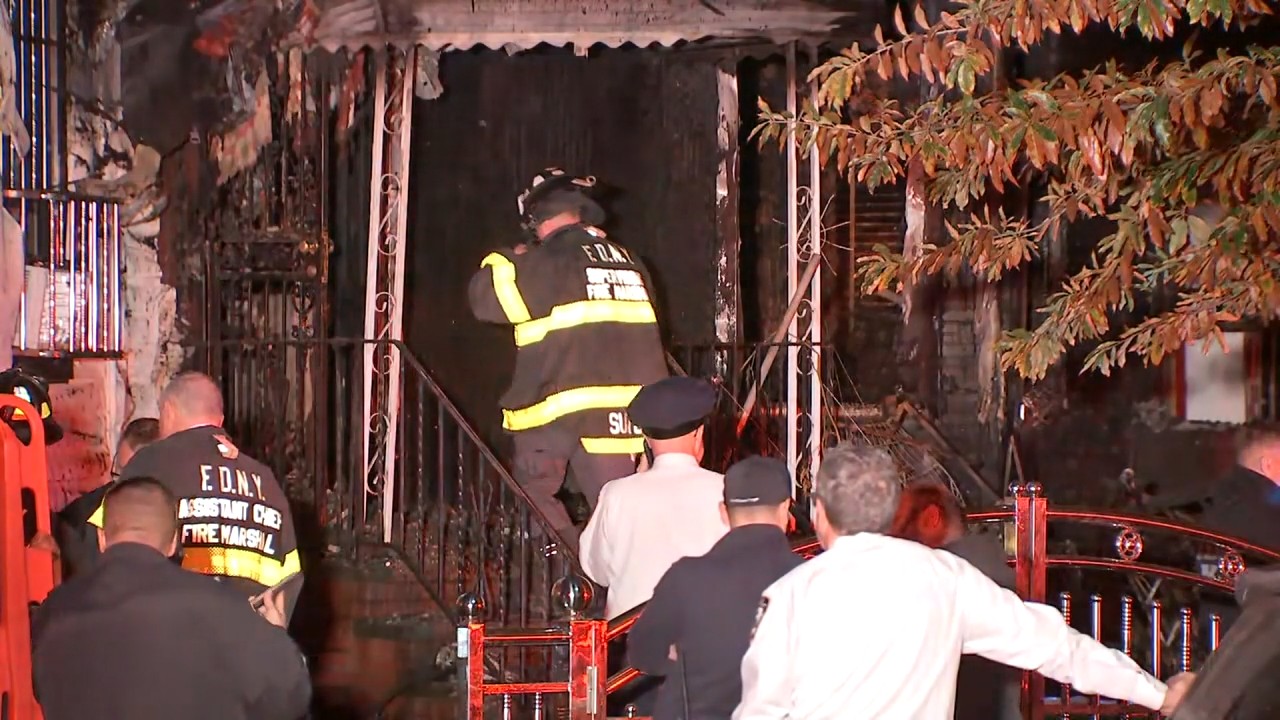
6 people killed after 3-alarm fire destroys Brooklyn, New York, home, injures residents and firefighters
By Mark Thompson
Advertisement · Why this ad?
Keisha Patel, a former athlete and graduate of the University of Chicago, has spent the last seven years covering local high school and college sports. Her passion for sports shines through her articles, encouraging community support for local teams.
More from Keisha →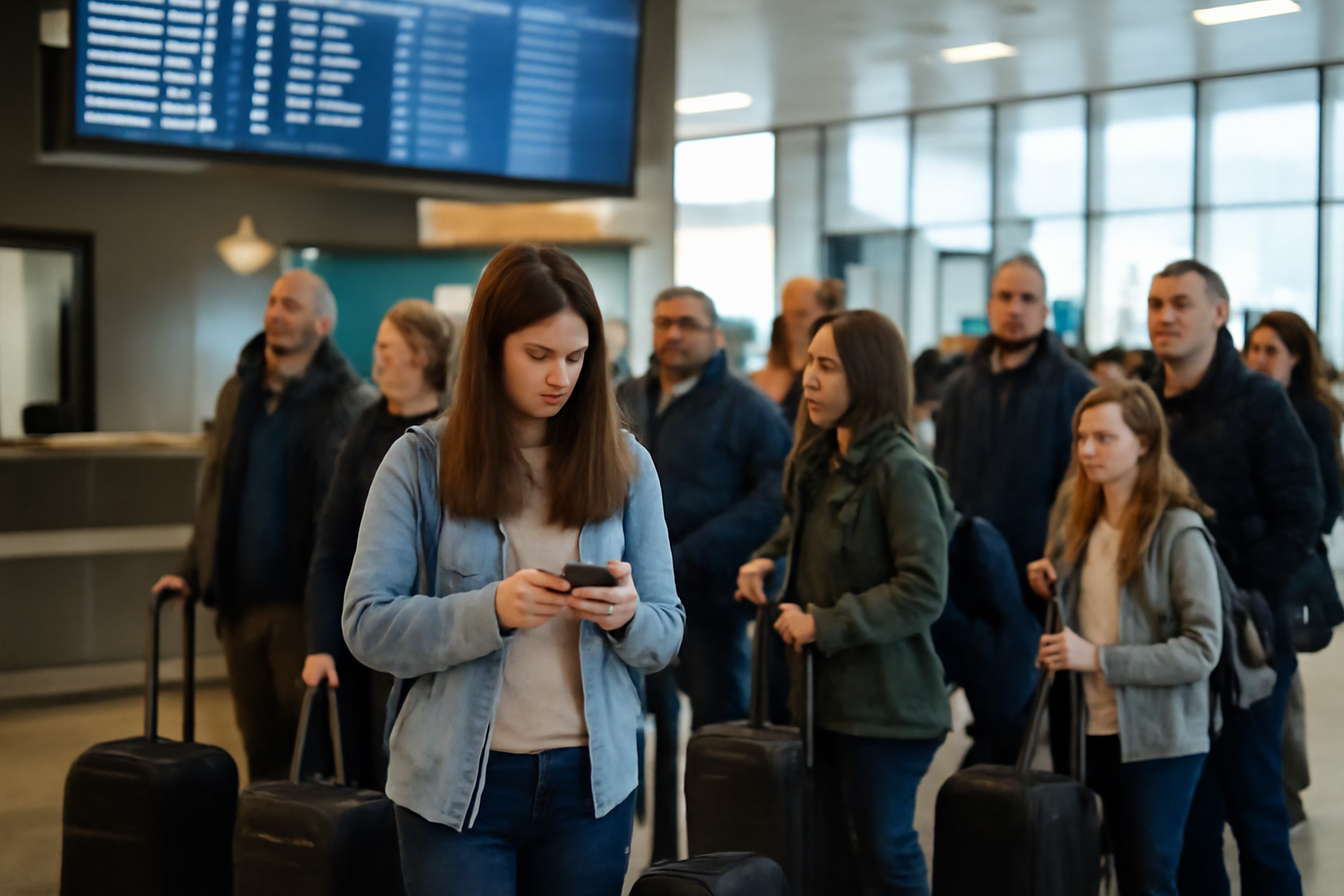
As the sun rose over Paris on Thursday, November 5, 2026, a sense of unease swept across Europe. Passengers aboard multiple flights found themselves in an unexpected situation, their journeys interrupted by urgent bomb threats. Amid the hustle and bustle of travelers at airports in cities like Copenhagen, Dublin, and Madrid, the alarming news spread quickly, reminding everyone of the delicate balance between safety and the freedom to travel.
On this fateful day, authorities confirmed that several flights were diverted due to bomb threats, echoing a string of hoaxes that had occurred earlier in the week. More than a dozen flights were impacted, with some making emergency landings at various airports while others continued to their destinations, albeit with heightened security measures in place. Inspections conducted by authorities yielded no hazardous materials, but the incidents raised alarms about the safety of air travel in a time of increasing geopolitical tensions.
Among the flights affected was a LOT Polish Airlines flight from Warsaw to Brussels, which landed safely at its destination after thorough inspections revealed no threats. Similarly, a Wizz Air flight from Milan to Bucharest and a Finnair flight from Helsinki to Rome were also diverted but ultimately landed without incident. The swift response from airport security teams showcased their preparedness to handle such alarming situations.
However, not all flights were as fortunate. A flight from Dublin to Rome was diverted to a military air base in Evreux, France, after a bomb threat was received. Passengers and crew members, numbering 157 in total, were safely evacuated while military bomb disposal teams conducted meticulous examinations of the aircraft. Prime Minister Sebastien Lecornu's office confirmed that all individuals aboard were unharmed, but the incident underscored the potential dangers lurking within the skies.
The ripple effects of these bomb threats extended far beyond the immediate crisis, touching the lives of countless individuals and families. For many travelers, air travel is a lifeline, connecting them to loved ones and opportunities. The anxiety caused by these threats can disrupt not only travel plans but also the emotional well-being of those affected.
Families waiting at airports for their loved ones to arrive were left in a state of uncertainty, their hearts heavy with worry. The sound of announcements echoing through terminals, coupled with the sight of police and security personnel mobilizing, created an atmosphere of tension that was palpable. Passengers who had hoped for a smooth journey found themselves grappling with fear and uncertainty, highlighting the importance of strong community ties and support during such trying times.
In the face of adversity, communities often come together, demonstrating resilience and solidarity. Local authorities, airport security teams, and airline staff worked diligently to ensure the safety and comfort of passengers during these distressing events. Their commitment to protecting the public while maintaining a sense of normalcy is commendable.
As travelers shared their experiences on social media, stories of compassion and kindness emerged. Strangers offered comforting words to one another, and airport staff provided assistance to those in need. It is in moments like these that the strength of community shines through, reminding us that we are all in this together.
These bomb threats come at a time when Europe is grappling with various security challenges, including hybrid threats that blur the lines between traditional warfare and modern terrorism. The recent attacks on supermarket refrigeration systems, drone incursions, and mysterious alerts have heightened concerns about safety across the continent. Authorities are increasingly aware of the need to remain vigilant and prepared for any potential threats.
In this context, the bomb threats targeting flights represent not just a challenge for airlines and airports but also a broader societal concern. The incidents have prompted discussions about the effectiveness of current security protocols and the importance of addressing the root causes of such threats. As communities strive for safety and stability, the role of law enforcement and intelligence agencies becomes even more critical.
Authorities in Prague reported that four planes landing in the city were cleared after bomb threats, further emphasizing the need for thorough security measures. The swift response from police and airport officials showcased their commitment to ensuring the safety of passengers and crew members alike.
Among those affected by these incidents were individuals with personal stories, each representing a unique perspective on the situation. For instance, a couple traveling to attend a family wedding in Rome found themselves caught in the chaos, their plans disrupted and anxiety levels rising. “We just wanted to celebrate with family, but now we’re just trying to get there safely,” one traveler expressed, reflecting the sentiments of many.
Moreover, the emotional toll on airport staff and security personnel cannot be overlooked. These individuals often work under high-pressure conditions, and incidents like these can weigh heavily on their mental health. A security officer at Dublin Airport shared, “We’re trained for this, but it’s still unsettling. You never know what could happen.” Their commitment to ensuring safety while managing their own fears is a testament to their professionalism and dedication.
As we reflect on these recent events, it is crucial to acknowledge the resilience of communities and the importance of maintaining a sense of normalcy in the face of fear. While the threat landscape may evolve, the spirit of unity and support remains unwavering. Families and friends continue to rely on one another, emphasizing the value of strong relationships in navigating these challenging times.
Looking ahead, authorities must prioritize enhancing security measures while fostering a culture of vigilance and awareness among travelers. Education on recognizing suspicious behavior and understanding the importance of reporting concerns can empower individuals to play an active role in ensuring their safety and the safety of those around them.
Ultimately, the incidents of bomb threats serve as a reminder that while the world may be fraught with uncertainty, the bonds of community, family, and faith can provide solace and strength. As we navigate the complexities of modern life, let us hold onto our values and support one another, forging a path toward a safer and more connected future.
By Mark Thompson

By Keisha Patel

By Keisha Patel

By Mark Thompson