Community
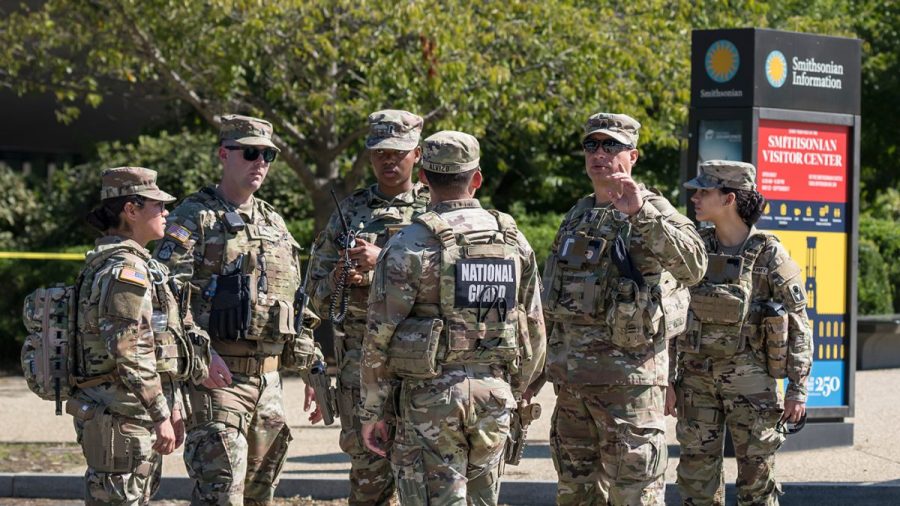
Man arrested near White House for making 'finger gun' gesture at National Guard
By Mark Thompson
Advertisement · Why this ad?
Keisha Patel, a former athlete and graduate of the University of Chicago, has spent the last seven years covering local high school and college sports. Her passion for sports shines through her articles, encouraging community support for local teams.
More from Keisha →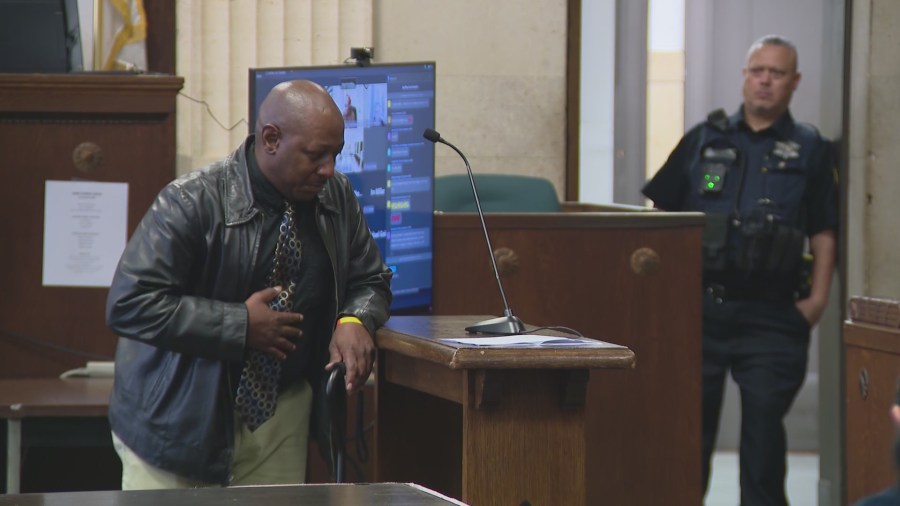
On a bright spring morning in Chicago, Marcus Johnson, a proud graduate of the city’s innovative rehabilitation court program, stands with a beaming smile as family and friends cheer him on. Just two years ago, Marcus was caught in the relentless grip of addiction, feeling trapped in a cycle that threatened to swallow his future whole. Today, he's not only celebrating his sobriety but also the new lease on life that he’s fought so hard to achieve. His story is a testament to the transformative power of community-led justice and unwavering faith in second chances.
In Chicago, a groundbreaking approach to criminal justice is reshaping lives—rehabilitation court programs that prioritize recovery over incarceration. Instead of serving time behind bars, some offenders, particularly those battling substance abuse, are given the opportunity to undergo intensive treatment, regular court check-ins, and personalized case management. This model recognizes that addiction is a complex disease requiring compassion, structure, and ongoing support. Since its inception, hundreds of individuals like Marcus have benefited from this alternative, which emphasizes healing and accountability over punishment.
The program, launched in early 2022, has seen remarkable success, with over 70% of participants maintaining sobriety after completing their treatment plans. Participants attend weekly court sessions where progress is reviewed, and setbacks are addressed with tailored interventions. The approach is rooted in the belief that strong family ties, faith, and community support are essential to lasting recovery. It’s a stark contrast to traditional sentencing, which often leaves individuals isolated and stigmatized, perpetuating the cycle of addiction and incarceration.
Chicago’s rehabilitation court initiative was developed through a collaborative effort involving the Chicago Police Department, local judges, social workers, healthcare providers, and community organizations. The city’s goal was to break the cycle of recidivism among those whose criminal offenses stem from addiction, which accounts for a significant portion of the city’s jail population. The program also aims to reduce the economic and social costs associated with incarceration, providing a more humane and effective alternative that benefits individuals and communities alike.
Community leaders, faith organizations, and families have rallied around this innovative program, recognizing its potential to heal broken lives and strengthen neighborhoods. Pastor Samuel Carter of the New Hope Christian Fellowship emphasizes the importance of faith-based support in recovery. “When we walk alongside these individuals, offering prayer, encouragement, and practical help, we see real change,” he shares. “It’s about restoring hope and dignity, reminding everyone that with God’s grace, transformation is possible.”
Many graduates attribute their success to the strong network of faith and family that sustained them through their darkest days. Lisa Perez, a mother of three from the Englewood neighborhood, credits her recovery to the program and her church community. “I never thought I could turn my life around,” she admits. “But with the support of my pastor, my family, and the court’s guidance, I’ve been sober for over a year. I’m now working and rebuilding my life, and I thank God every day for this second chance.”
Lisa’s story resonates across Chicago’s South Side, where economic hardship and limited access to mental health resources have historically compounded struggles with addiction. Community organizations like the Greater Englewood Community Action Network have partnered with the court system to provide job training, housing assistance, and mental health counseling, creating a holistic support network that extends beyond court sessions. These efforts aim to address the root causes of addiction and prevent relapse, fostering resilience within neighborhoods that have long borne the brunt of systemic neglect.
The city of Chicago continues to expand its rehabilitation court initiatives, aiming to serve more individuals struggling with addiction and reduce recidivism rates. Officials are exploring partnerships with local nonprofits and healthcare providers to enhance treatment options and provide comprehensive support systems. The goal is clear: to foster a community where redemption is possible, and families can stay intact, rooted in faith and mutual commitment.
Looking ahead, advocates hope that this model will inspire other cities to rethink their approach to addiction and justice. By focusing on healing, accountability, and community involvement, Chicago is demonstrating that a new way of life is not only possible but within reach for those willing to embrace it. Marcus Johnson’s journey from despair to hope embodies this vision—a testament to the resilience of the human spirit and the power of genuine community support rooted in faith and love.
City officials are actively working to secure additional funding to expand the program’s capacity, with plans to incorporate more intensive mental health services and employment support for graduates. The Chicago Department of Public Safety has also committed to ongoing training for judges and court staff to ensure culturally competent and trauma-informed practices are embedded within the program.
Furthermore, community voices are increasingly being involved in shaping the program’s future. Community advisory boards composed of residents, faith leaders, and formerly incarcerated individuals are providing feedback and helping tailor services to meet local needs. This participatory approach ensures that the program remains responsive and rooted in the community’s realities, fostering greater trust and engagement.
Academic institutions like the University of Chicago and Loyola University are also conducting research to evaluate the program’s long-term outcomes, aiming to refine best practices and demonstrate cost-effectiveness. Early data suggests that these initiatives could serve as a blueprint for other jurisdictions seeking humane, effective alternatives to incarceration for drug-related offenses.
For many residents of Chicago, especially those in underserved neighborhoods, the rehabilitation court represents more than just a new approach—it symbolizes hope and a chance for genuine transformation. Historically, these communities have been disproportionately impacted by the war on drugs and mass incarceration, facing barriers to employment, housing, and healthcare. The program’s emphasis on healing and community support aligns with ongoing efforts to address racial disparities and promote social equity.
Local leaders like Mayor Brandon Johnson have expressed support, emphasizing that reducing the cycle of incarceration is vital for building safer, healthier neighborhoods. “Our city is committed to justice that heals,” Johnson stated during a recent community forum. “Programs like this give people a real shot at turning their lives around and becoming productive members of our community.”
Moreover, the success of these initiatives has the potential to influence policy at the state and federal levels, encouraging a shift toward more compassionate, evidence-based approaches to criminal justice. As Chicago leads the way, other cities are watching closely, considering how they might adapt similar models to serve their populations better.
As the program continues to grow, organizers are planning to incorporate more comprehensive services, including housing stabilization programs and peer mentorship initiatives. The goal is to create a seamless support network that sustains recovery beyond court supervision.
Community organizations are also planning outreach campaigns to raise awareness about available resources and reduce stigma associated with addiction and rehabilitation programs. These efforts aim to foster a culture of acceptance and understanding, encouraging more individuals to seek help without fear of judgment.
Finally, ongoing evaluation and community feedback will shape future iterations of the program, ensuring it remains effective and responsive. The city’s commitment to this innovative approach signals a broader shift toward restorative justice, where the focus is on healing, accountability, and community empowerment.
By Mark Thompson

By Mark Thompson
By Mark Thompson

By Mark Thompson